A Review of Property Market Trends 2025
A look into the 2025 market to understand what trends could carry on to 2026
Split, Croatia Property Market Trends: A Review of 2025
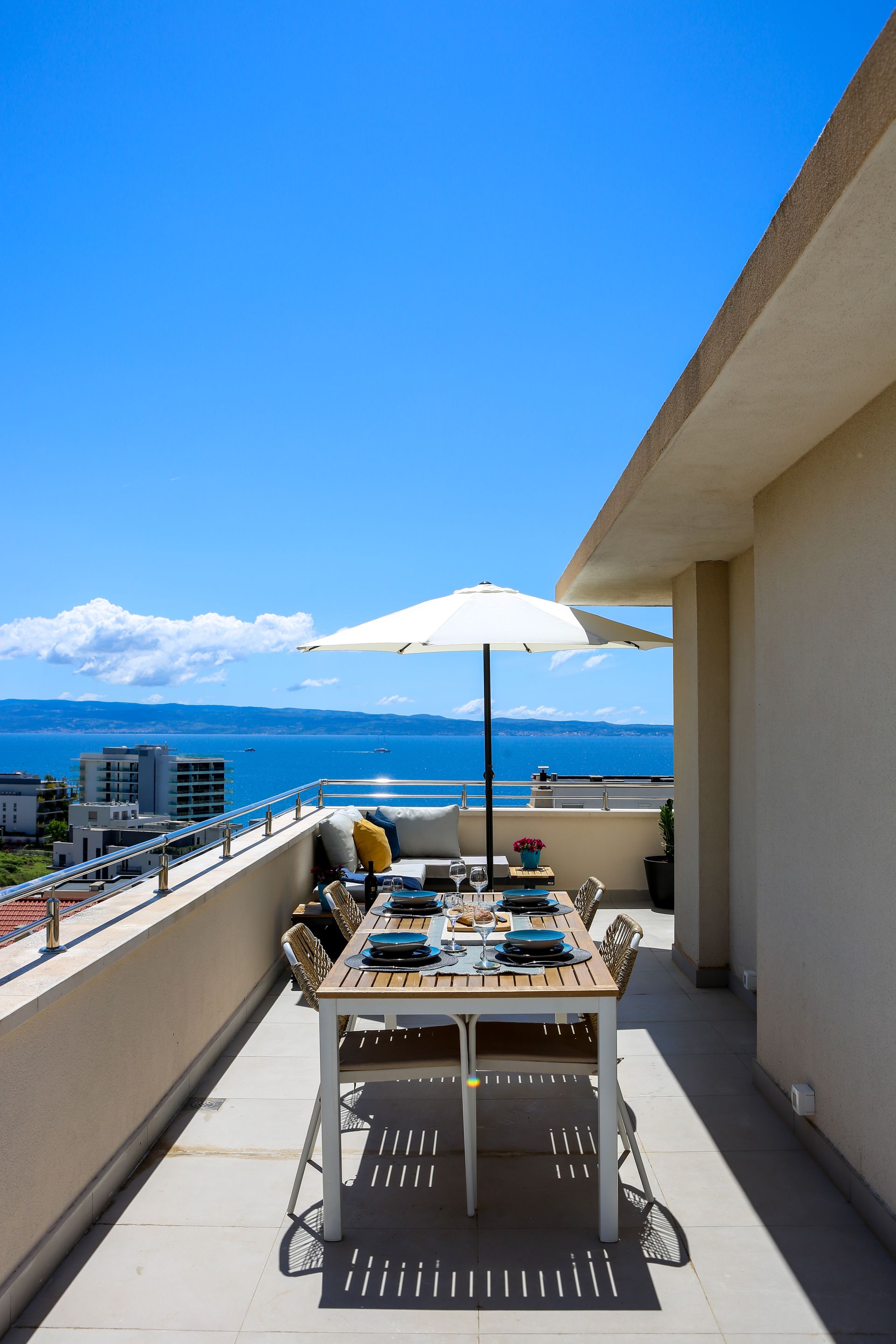
As one of the Adriatic’s most sought-after destinations, Split, Croatia remained a standout real estate market throughout 2025. Driven by tourism, limited supply, and sustained investor interest, property prices continued to rise — although the pace of growth began to moderate compared with previous years.
Looking back at 2025, here’s how the market performed and what trends emerged.
Property Prices Continued to Rise in 2025
Throughout 2025, residential property prices in Split reached new record levels. Average asking prices climbed to approximately €5,400 per square metre, placing Split among the most expensive cities in Croatia for residential real estate.
Prime coastal and central neighbourhoods — particularly in the southern and western parts of the city — frequently exceeded €5,500–€5,700 per square metre, while less central areas remained comparatively more affordable. Despite these variations, price growth was evident across most parts of the city.
Compared with 2024, prices in 2025 rose by an estimated 10–15%. However, unlike the sharp surges seen in earlier years, growth during 2025 showed signs of slowing and stabilising, signalling a more mature phase of the market.
Transaction Volumes Declined Despite Higher Prices
One of the defining characteristics of the Split property market in 2025 was the divergence between prices and sales activity. While asking prices remained high, transaction volumes declined, particularly across coastal areas in Split-Dalmatia County.
Higher property prices, tighter borrowing conditions, and increased living costs contributed to more cautious buyer behaviour. Many prospective buyers delayed purchases or sought better value in surrounding areas, resulting in longer listing periods and fewer completed sales, even as sellers largely held firm on pricing.
Tourism Remained a Key Demand Driver
Tourism continued to underpin demand throughout 2025. Split’s position as a major Adriatic destination sustained strong interest in short-term rental properties, especially apartments located near the historic centre and coastline.
Investor demand remained present, although some foreign buyers became more selective due to rising entry costs. Domestic buyers, meanwhile, faced increasing challenges competing with investment-driven demand, particularly in prime locations.
Limited Supply Continued to Support Prices
Structural supply constraints remained a critical factor in 2025. Split’s geography and limited development land restricted large-scale expansion, especially within established neighbourhoods.
New residential projects tended to focus on smaller, higher-end developments, which helped maintain price levels but did little to improve affordability for local buyers. As a result, supply shortages continued to place upward pressure on values.
Key Trends That Emerged in 2025
Several important trends became more pronounced during 2025:
- Growing demand for energy-efficient and sustainable homes
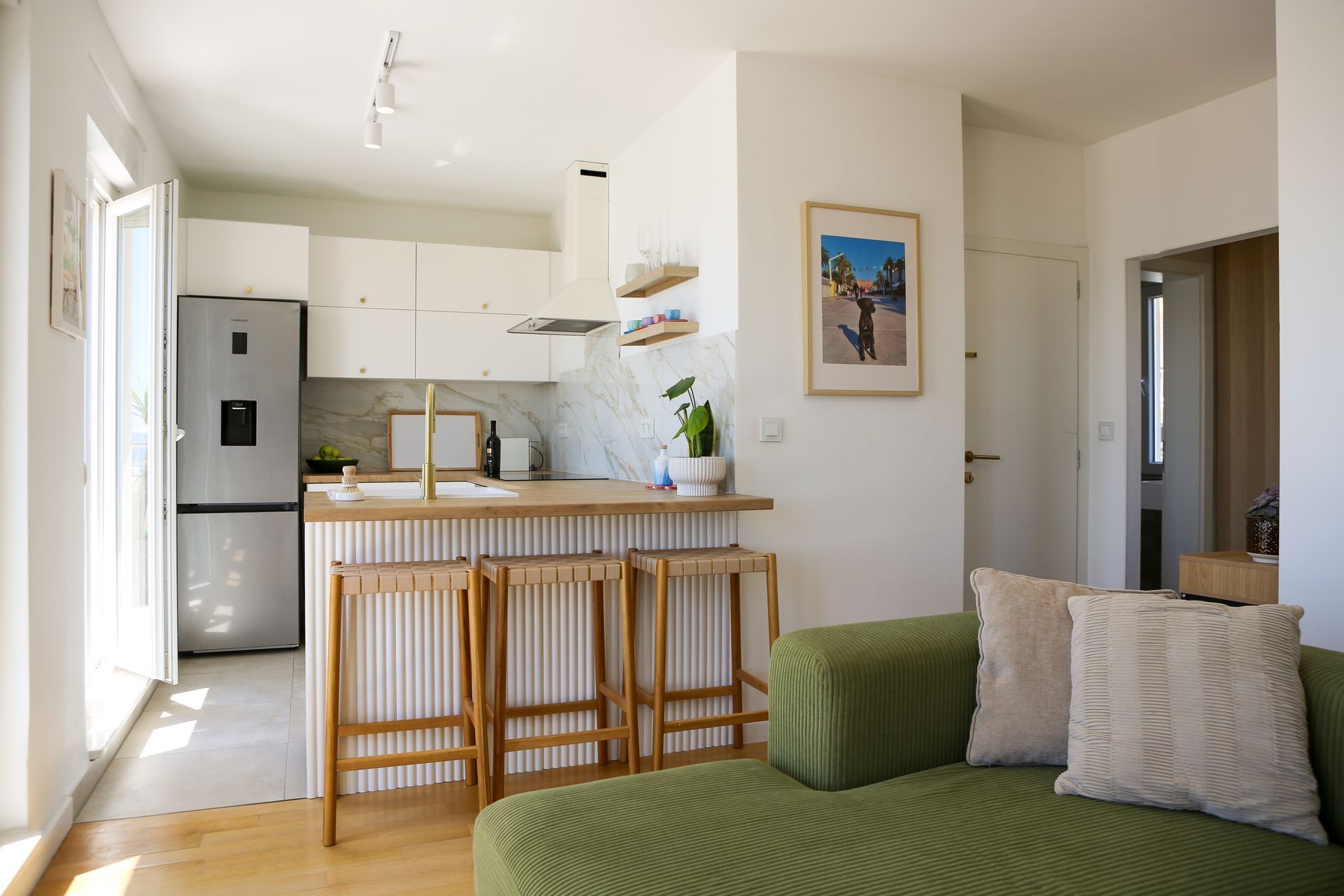
- Increased interest in modernised or fully renovated properties
- Rising appeal of nearby towns such as Solin and Kaštela, offering relatively better value while remaining well connected to Split
These trends reflected a shift toward value-conscious and lifestyle-oriented purchasing decisions.
Market Outlook After 2025
By the end of 2025, analysts generally expected price growth to continue, but at a more moderate and sustainable pace, typically projected at 3–6% annually. Prime coastal locations were widely seen as most resilient, while secondary and suburban areas were expected to benefit from affordability-driven demand.
Potential regulatory changes related to property taxation and short-term rentals were also identified as factors that could influence market dynamics in subsequent years.
Conclusion
In retrospect, 2025 marked a year of consolidation for the Split property market. Prices reached historic highs, demand remained solid, and supply constraints persisted — but buyer behaviour became more cautious and selective.
For investors, Split continued to offer long-term appeal, particularly for rental-oriented properties in prime locations. For owner-occupiers, suburban areas increasingly emerged as practical alternatives. Overall, Split exited 2025 as one of Croatia’s strongest and most resilient real estate markets.