Predictions for Split Property Market 2026
This is a subtitle for your new post
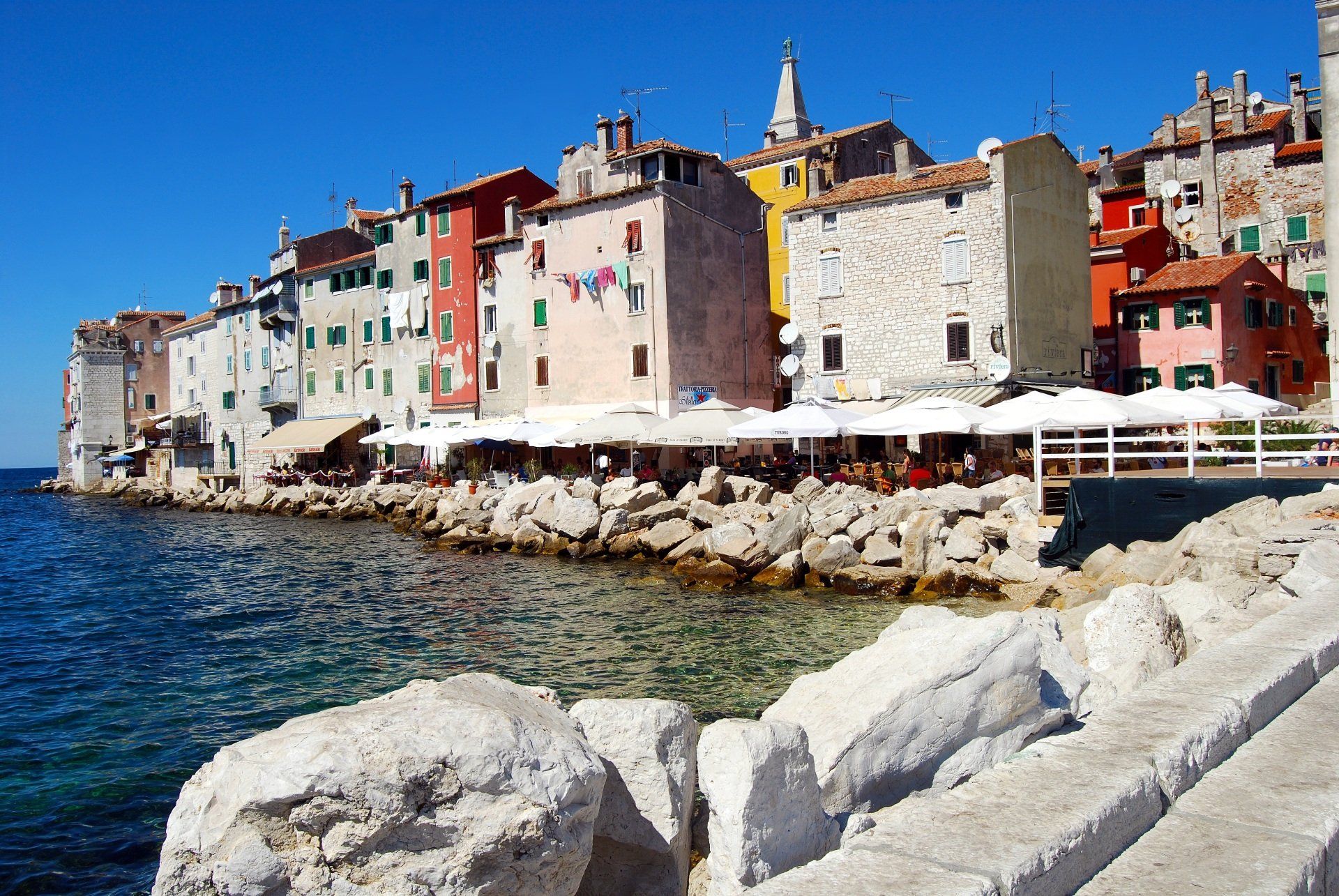
Split, Croatia Property Market Predictions: What to Expect in 2026
As Split enters 2026, the city’s property market is transitioning from rapid growth into a more measured and mature phase. After several years of strong price increases and a noticeable cooling in transaction volumes during 2025, the year ahead is expected to be defined by stability, selective growth, and value-driven decision-making.
Here’s what buyers, sellers, and investors can realistically expect from the Split property market in 2026.
Price Growth Is Expected to Continue — But More Gradually
Property prices in Split are widely expected to continue rising in 2026, though at a slower and more sustainable pace than in previous years. After reaching historic highs in 2025, the market is no longer driven by rapid appreciation, but rather by underlying fundamentals such as limited supply and steady demand.
Most forecasts point to price growth of around 4–7% in Split during 2026, slightly outperforming the Croatian national average due to the city’s strong coastal appeal and tourism-driven demand. Prime locations — particularly waterfront properties, the historic centre, and high-quality new developments — are expected to remain the most resilient.
Rather than across-the-board increases, price growth in 2026 is likely to be uneven, favouring well-located, modern, and energy-efficient properties.
Sales Activity Is Likely to Remain Subdued
While prices are expected to rise modestly, transaction volumes are likely to remain relatively low in 2026. Affordability challenges, higher entry costs, and cautious buyer sentiment mean that fewer buyers are able — or willing — to transact at current price levels.
This does not signal a market downturn, but rather a cooling and rebalancing phase. Properties may take longer to sell, and pricing strategies will become increasingly important. Sellers who are realistic about value are likely to perform better than those relying on continued rapid appreciation.
For buyers, this environment may offer slightly more room for negotiation, particularly outside prime neighbourhoods.
Limited Supply Will Continue to Support Prices
One of the defining features of Split’s property market — and a key reason prices are expected to hold — is the structural shortage of supply. The city’s geography, planning constraints, and lack of available land continue to restrict large-scale development.
New residential projects in 2026 are expected to remain relatively limited and focused on smaller, higher-end developments. Rising land and labour costs also mean that new builds are unlikely to bring lower-priced options to the market.
As a result, supply constraints will continue to underpin property values, even as demand becomes more selective.
Tourism and Rental Demand Will Remain Central
Tourism is expected to remain a cornerstone of Split’s real estate market in 2026. Demand for short-term rental properties is likely to stay strong, particularly in central and coastal areas, supported by Split’s status as a major Adriatic destination.
At the same time, the long-term rental market is expected to remain tight. Limited housing availability, combined with growing demand from locals, digital nomads, and seasonal workers, suggests continued upward pressure on rents.
For investors, this points to stable rental yields, particularly for properties that can adapt to both short- and long-term rental strategies.
Suburban and Surrounding Areas May Gain Momentum
As prices within Split remain high, surrounding areas such as Solin, Kaštela, and other nearby towns are expected to attract increased interest in 2026. These locations offer relatively better value while maintaining good transport links and access to the city.
This trend reflects a broader shift toward affordability and lifestyle balance, and it is likely to continue as buyers look beyond the city centre for space and value.
Key Risks to Watch in 2026
While the outlook for 2026 is generally stable, several factors could influence market performance:
- Affordability pressures for domestic buyers
- Potential regulatory or tax changes, particularly affecting short-term rentals
- Broader European economic conditions, which could affect foreign buyer demand
These factors are more likely to moderate growth rather than trigger any significant price correction.
Conclusion
Overall, 2026 is shaping up to be a year of consolidation for the Split property market. Prices are expected to rise modestly, supply constraints will continue to support values, and demand will remain strongest for high-quality, well-located properties.
For buyers, 2026 may offer a more balanced environment with greater emphasis on value and long-term fundamentals. For investors, Split remains attractive — not for quick gains, but for steady growth, rental income, and long-term resilience.